


Most business owners spend hours agonizing over their Google Ads budget, their social media strategy, their email funnels. Meanwhile, the single most cost-effective marketing tool they own is bolted to the front of their building, working 24 hours a day without asking for a raise.
Their sign.
This isn’t opinion. There’s real data behind it.
The Numbers
A 2012 FedEx Office survey conducted by Ketchum Global Research found that 76% of American consumers had entered a store they’d never visited before based solely on its signage. Not a Google search. Not a Yelp review. The sign.
Even more telling: 68% said they’d actually made a purchase because a sign caught their eye. That’s not just foot traffic — that’s revenue.
The University of Cincinnati, working with the Sign Research Foundation, took it further. Their research found that businesses that upgraded their signage saw sales increases of 10–15% or more. They argued that a sign isn’t an expense — it’s a capital asset that generates returns over its entire lifespan.
And the flip side is just as important. That same FedEx survey found 52% of consumers were less willing to enter a business with a poorly made or misspelled sign. A bad sign doesn’t just fail to attract people — it actively drives them away.
Cost Per Impression — It’s Not Even Close
The Sign Research Foundation has tracked what signage costs compared to other advertising when you break it down per impression:
| Advertising Medium | Cost Per 1,000 Impressions | Recurring? |
|---|---|---|
| On-premise signage | $0.02 – $0.50 | No |
| Newspaper (local) | $10 – $30 | Yes |
| Local radio | $5 – $15 | Yes |
| Social media ads | $5 – $15 | Yes |
| Direct mail | $50 – $100+ | Yes |
Your sign generates impressions every single day for years — sometimes decades — on a one-time investment. Every other channel on that list stops working the moment you stop paying.
The SBA has described on-premise signage as equivalent to 24 full-page newspaper ads per year. Except you only pay once.
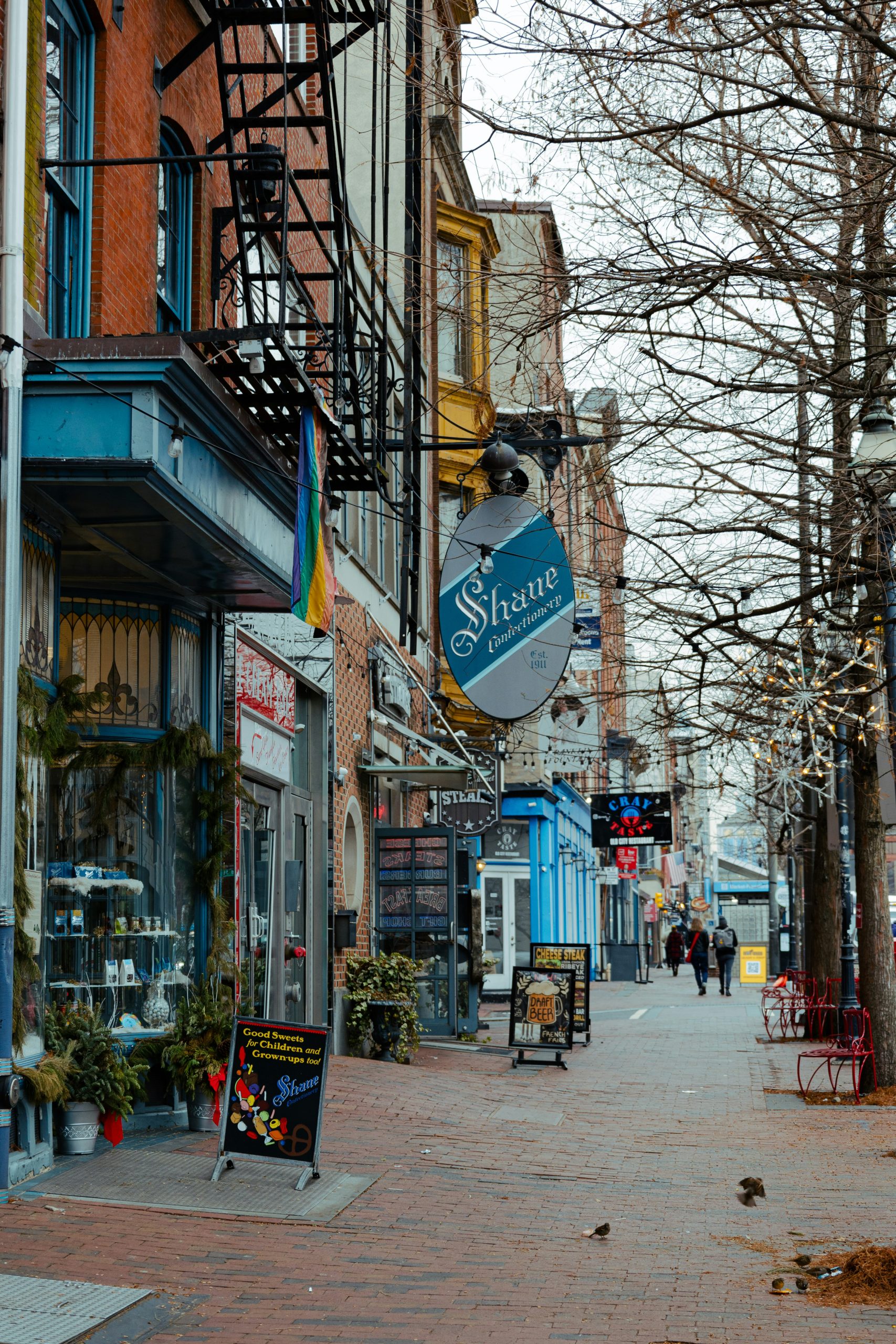
What Makes It Work (and What Doesn’t)
Not all signs are created equal. The research identifies a few things that separate signs that drive traffic from signs that get ignored:
- Readability. If people can’t read it from where they first see it, it’s not doing its job. The rule of thumb: every inch of letter height gives you about 10 feet of readability distance.
- Contrast. Dark letters on a light background (or vice versa). Low-contrast combinations fail regardless of everything else.
- Condition. Faded paint, burnt-out lights, weather damage — consumers read that as neglect, and they transfer that judgment to whatever you’re selling inside.
- Illumination. An illuminated sign extends your visibility into fog, rain, and evenings. On the Monterey Peninsula, that’s half the year.
- Materials that hold up. A sign that looks great on day one but falls apart in three years isn’t a good sign. Salt air, UV, and fog cycles demand materials and finishes that can take the punishment.
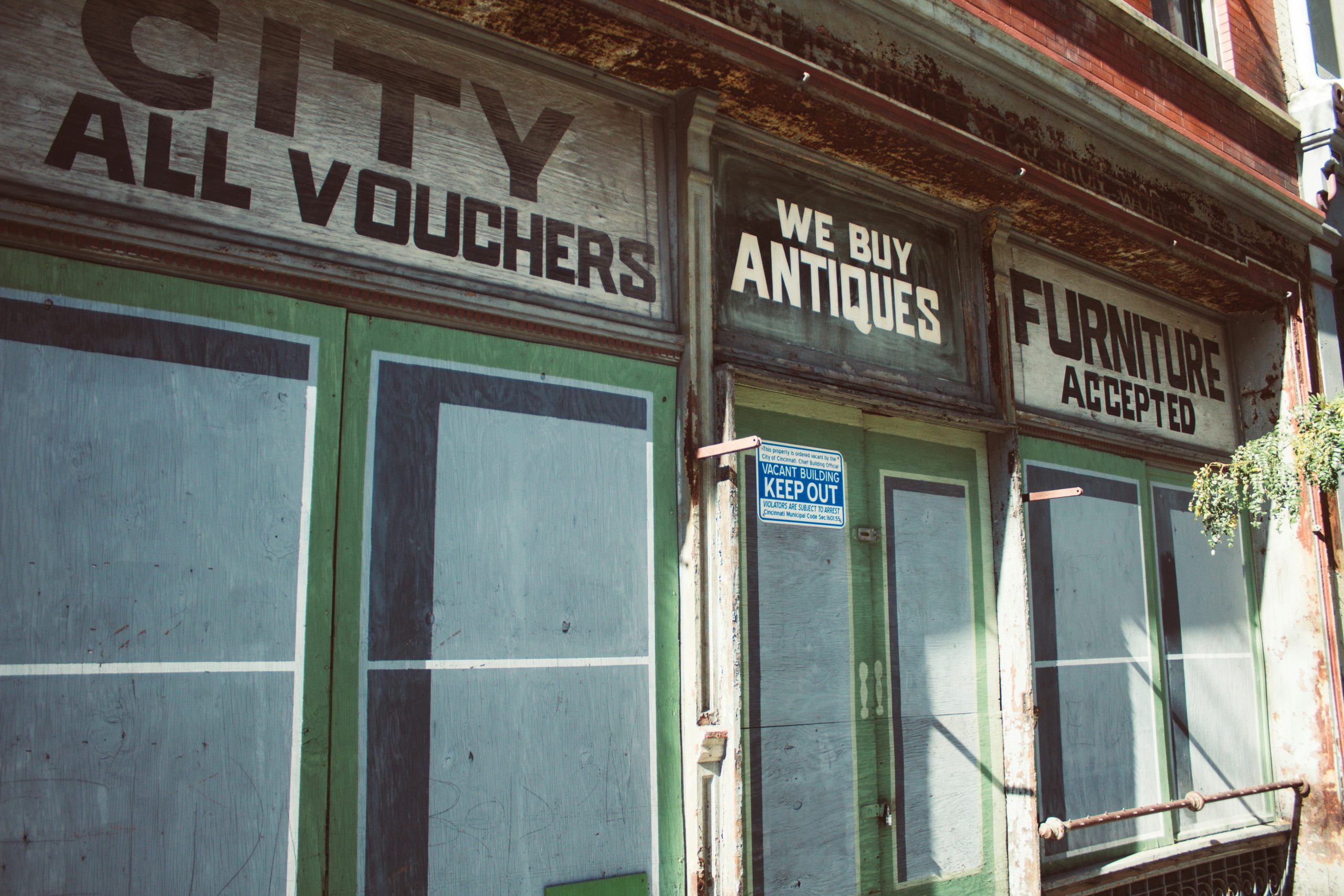
Why This Matters More on the Monterey Peninsula
The data gets even more interesting when you apply it locally.
The Monterey Peninsula draws millions of visitors a year. These aren’t people who already know where they’re going — they’re walking Cannery Row, browsing Ocean Avenue, driving Lighthouse Avenue, and making real-time decisions about where to eat, shop, and spend money. Your sign is how they find you.
During peak periods — Monterey Car Week, the AT&T Pebble Beach Pro-Am, summer tourist season — impression volume spikes dramatically. A business with strong, well-maintained signage captures a disproportionate share of that traffic. A business with a faded, hard-to-read sign loses it.
And in a place like Carmel, where sign ordinances keep everyone competing on quality instead of size, the craftsmanship of your sign matters more than almost anywhere else in the country.

The Bottom Line
Your sign isn’t a line item to check off during buildout. It’s a salesperson that works every day, costs nothing after installation, and — according to the research — influences where the majority of consumers choose to walk in.
If your current sign is faded, outdated, or just not pulling its weight, Signworks has been helping Monterey Peninsula businesses get their signage right for 33 years. Let’s talk about yours.

Leave A Comment